Bienvenue à
Greensun Solar Energy, please call
+86 187 1510 8506
for help
 français
 English
 español
 العربية
De février 2015 à août 2026, les batteries lithium-ion ont bénéficié d'une exonération de taxe à la consommation pendant plus de 11 ans. Selon la dernière annonce fiscale, à compter du 1er septembre 2026, elles seront soumises à une taxe à la consommation de 2 %, avant de revenir au taux de référence de 4 % le 1er septembre 2027. L'exonération de taxe pour les batteries sodium-ion, les batteries à électrolyte solide et les piles à combustible sera maintenue jusqu'au 31 décembre 2028.
Cette nouvelle a suscité de vives inquiétudes sur le marché quant aux hausses de prix pratiquées par les constructeurs automobiles et à l'envolée des coûts du stockage de l'énergie. Toutefois, au-delà des réactions à court terme, cet ajustement fiscal ne se résume pas à une simple « augmentation des taxes », mais constitue un tournant décisif pour l'industrie nationale des batteries au lithium, marquant le passage d'un soutien politique à une concurrence de marché mature et le début d'une restructuration en profondeur du secteur.
La politique d'exonération fiscale de 11 ans visait initialement à soutenir progressivement le développement industriel. Il y a dix ans, la filière chinoise des batteries au lithium était fragile, la technologie peu mature et les capacités de production limitées. L'objectif principal de cette exonération était de réduire les coûts de production des entreprises, d'accélérer le développement des secteurs des batteries de puissance et des batteries au lithium pour le stockage d'énergie, et de mettre en place une filière nationale complète.
Après plus d'une décennie de développement, la Chine s'est imposée comme leader mondial de la production, des expéditions et de la distribution de batteries au lithium. Le taux de pénétration des véhicules à énergies nouvelles a dépassé 60 % et les solutions de stockage d'énergie industrielles, commerciales et résidentielles sont largement disponibles. L'ensemble de la chaîne de valeur, en amont comme en aval, est bien développé et la Chine est depuis longtemps en mesure de se positionner de manière compétitive sur le marché. L'objectif historique de l'exonération fiscale universelle a été atteint et le retrait progressif de cette politique s'inscrit dans le cadre normal du développement industriel.
Nombreux sont ceux qui surestiment la charge fiscale, par méconnaissance des règles. Cette politique instaure une période tampon progressive de deux ans, réduisant considérablement la pression à court terme sur le secteur. Sur la base des prix actuels des cellules de batterie grand public, une taxe à la consommation de 2 % n'augmente le coût par wattheure que de quelques centimes. Pour un véhicule électrique résidentiel de 60 kWh, le surcoût lié à la cellule de batterie est inférieur à 500 yuans. Même si le taux de taxe de 4 % était rétabli après deux ans, le surcoût par véhicule resterait inférieur à 1 000 yuans.
Comparée aux variations de coûts de plusieurs milliers, voire dizaines de milliers de yuans, dues aux fluctuations des prix du lithium et des matières premières, la taxe sur la consommation engendre un surcoût quasi négligeable. Plus important encore, cette taxe n'est perçue qu'au stade de la fabrication des cellules ; les étapes suivantes, comme l'assemblage des batteries et la production des véhicules, peuvent la déduire légalement, éliminant ainsi la superposition des taxes. Par conséquent, les constructeurs automobiles et les projets de stockage d'énergie ne subiront pas de hausse de coûts, et les consommateurs ne ressentiront quasiment aucune fluctuation des prix sur le marché final.
Le principal atout de ce système fiscal réside dans l'utilisation d'une fiscalité différenciée pour faciliter la consolidation industrielle et orienter précisément la modernisation des industries.
Le rétablissement de la taxation dans les secteurs matures des batteries au lithium réduit directement les capacités de production compétitives d'entrée de gamme. Actuellement, de nombreux petits et moyens fabricants de cellules manquent d'avantages technologiques et d'échelle, et leur survie repose sur des prix bas et des volumes importants, avec des marges bénéficiaires nettes généralement de seulement 3 à 5 %. Avec la pleine application de la taxe sur la consommation, les marges bénéficiaires de ces capacités de production peu performantes seront fortement réduites, accélérant leur retrait du marché.
Parallèlement, des entreprises de premier plan comme CATL et BYD, grâce à leur production à grande échelle, leur chaîne d'approvisionnement intégrée et leur capacité à fixer des prix stables, peuvent absorber la majeure partie de la charge fiscale par l'optimisation des processus et la réduction des coûts internes. Ceci renforcera la concentration du secteur, mettra fin à la guerre des prix désordonnée et déloyale sur le bas de gamme et obligera l'industrie à renouer avec une concurrence fondée sur la qualité et la technologie.
Dans le même temps, cette politique continue d'offrir un soutien fiscal aux technologies de pointe telles que les batteries sodium et les batteries à l'état solide, avec une orientation très claire : ne plus subventionner les secteurs matures et ultra-concurrentiels, mais soutenir pleinement les avancées industrielles des technologies de batteries de nouvelle génération. En réduisant les coûts de R&D et de production en série des nouvelles technologies grâce à des incitations fiscales, elle encourage les capitaux et les entreprises à dépasser la concurrence sur le bas de gamme, à se concentrer sur les technologies de pointe et à remédier aux futures lacunes du secteur.
Cet ajustement met officiellement un terme à l'iniquité du système fiscal concernant le « traitement égal du pétrole et de l'électricité » dans le secteur des énergies nouvelles. Pendant de nombreuses années, les industries des véhicules à énergies nouvelles et des batteries au lithium ont connu une croissance rapide grâce à de multiples incitations fiscales et subventions, tandis que les véhicules à essence et les produits pétroliers raffinés ont toujours été intégralement soumis à la taxe sur la consommation, ce qui a engendré une concurrence fiscale inéquitable et durable.
Avec la réduction progressive des taxes à l'achat et des incitations fiscales pour les véhicules à énergies nouvelles, conjuguée à la mise en œuvre de la taxe sur la consommation des batteries au lithium, la fiscalité applicable aux véhicules à énergies nouvelles et aux véhicules à essence est désormais totalement alignée. La suppression totale des incitations politiques signifie que l'industrie a définitivement tourné la page de l'ère des « profits grâce aux subventions » et doit désormais miser sur la performance, la sécurité et la rentabilité de ses produits pour s'imposer sur le marché.
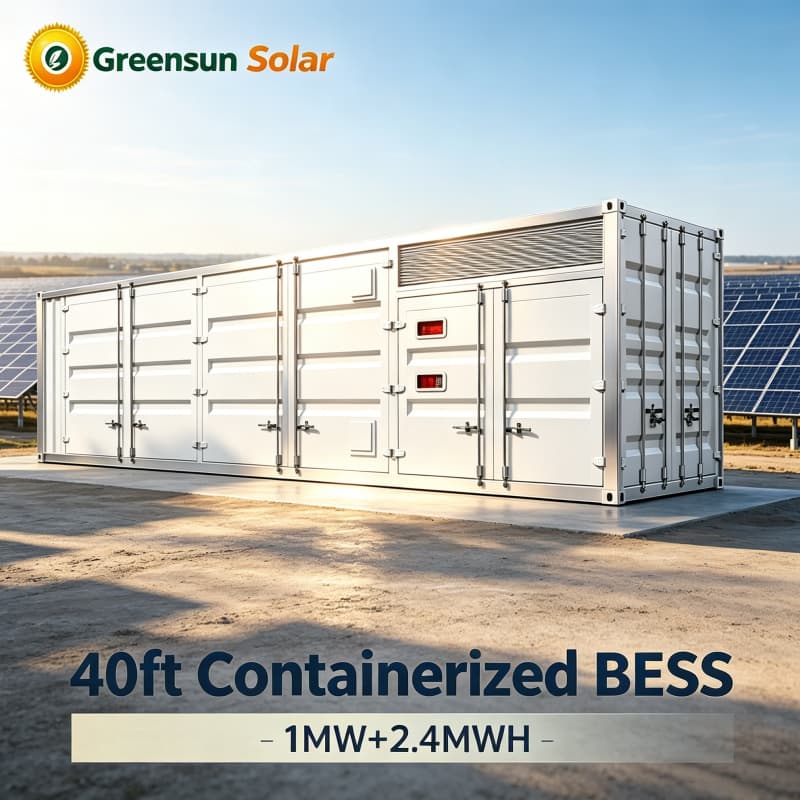
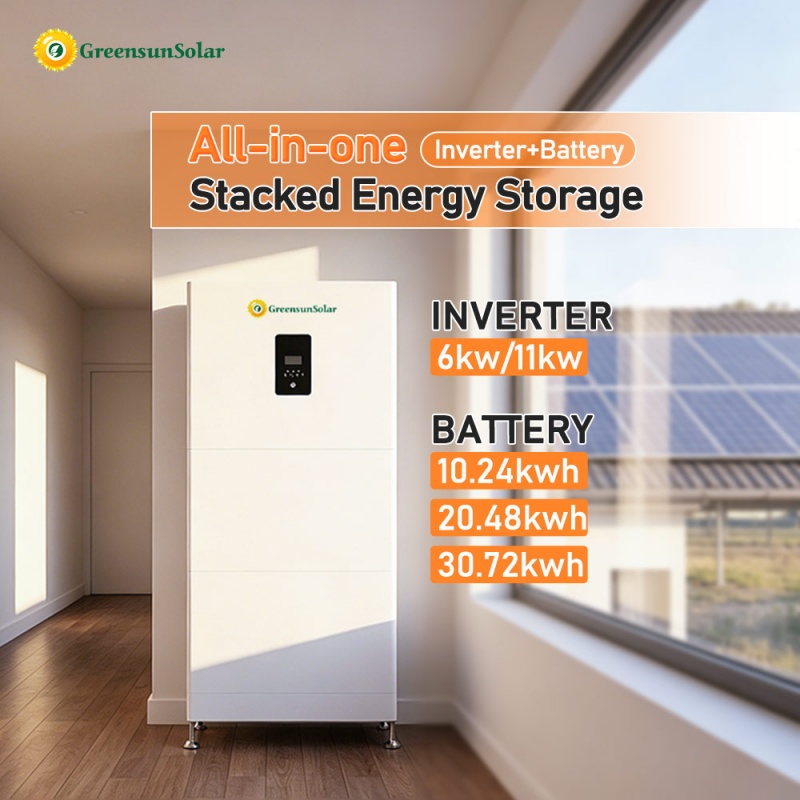
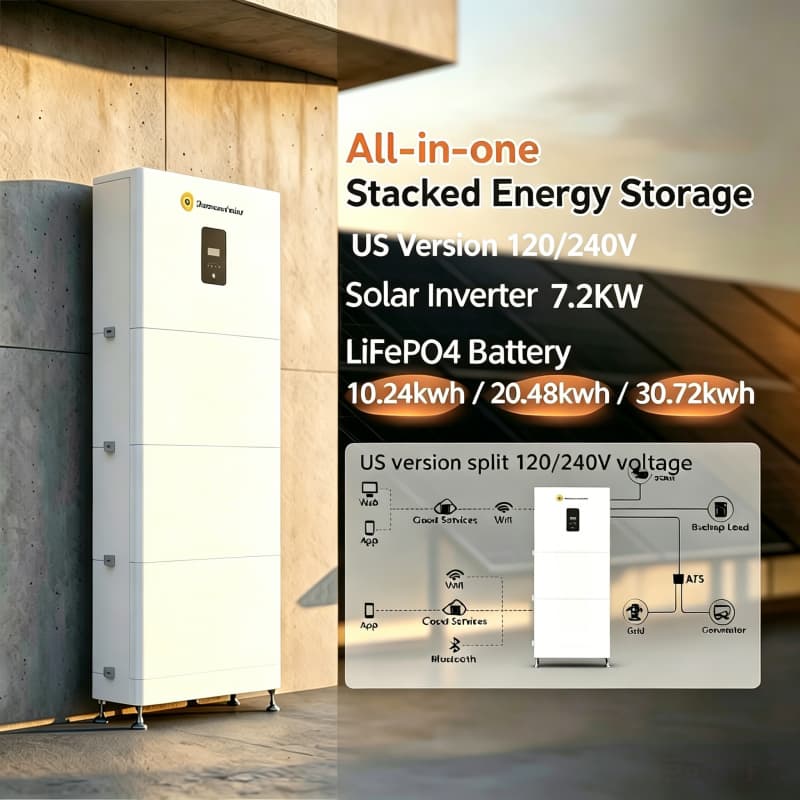
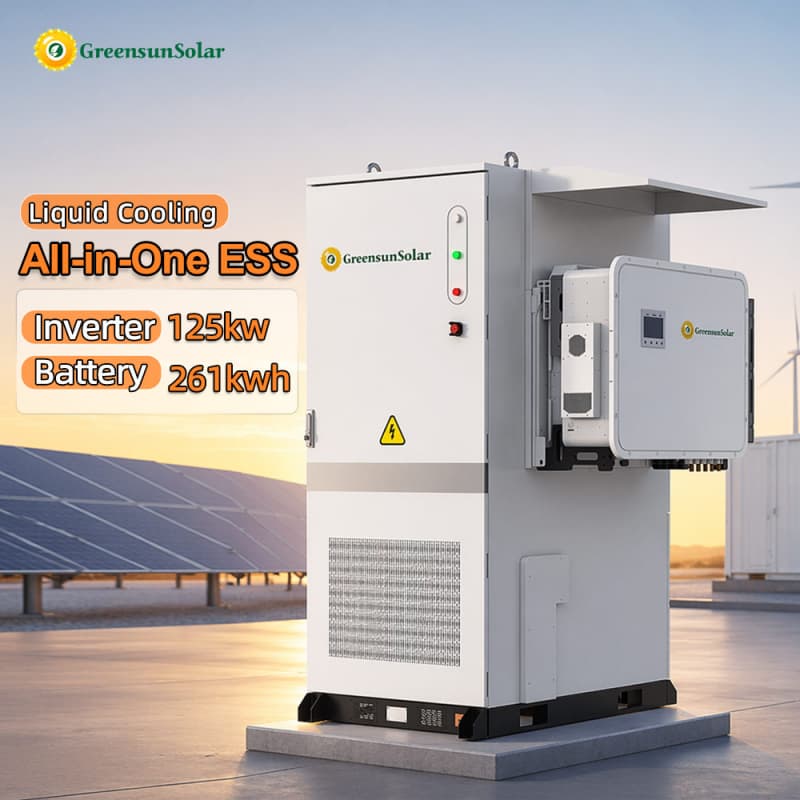
Pour le secteur du stockage d'énergie, cela représente une formidable opportunité de standardisation et de modernisation. Auparavant, ce secteur connaissait une expansion fulgurante, de nombreuses entreprises s'appuyant sur des cellules de qualité inférieure et bon marché pour remporter des projets, ce qui engendrait des risques pour la sécurité. Avec l'augmentation des coûts, ces cellules bon marché et de qualité inférieure seront progressivement abandonnées. La durée de vie des centrales, la sécurité et la stabilité, ainsi que la fiabilité du système, remplaceront les prix bas comme critères essentiels pour les appels d'offres en matière de stockage d'énergie, et le secteur passe officiellement d'une « concurrence par les prix » à une « concurrence par la qualité ».
En définitive, l'exonération fiscale de 11 ans a été un facteur de croissance, tandis que le rétablissement de l'imposition marque la maturité du secteur. Les ajustements fiscaux ne visent pas à freiner l'industrie, mais plutôt à l'affranchir de la dépendance aux politiques publiques. À l'avenir, la compétitivité des entreprises de batteries au lithium reposera non plus sur les avantages liés aux politiques publiques, mais sur l'innovation technologique, la maîtrise des coûts et la qualité des produits.
L'industrie des batteries au lithium, désormais libérée de tout soutien politique, connaîtra des restructurations et des difficultés de croissance à court terme, mais à long terme, elle s'éloignera complètement d'un développement extensif, donnant naissance à des entreprises nationales véritablement compétitives à l'échelle mondiale et propulsant l'industrie chinoise des nouvelles énergies vers une nouvelle étape de développement de haute qualité.



 Réseau IPv6 pris en charge