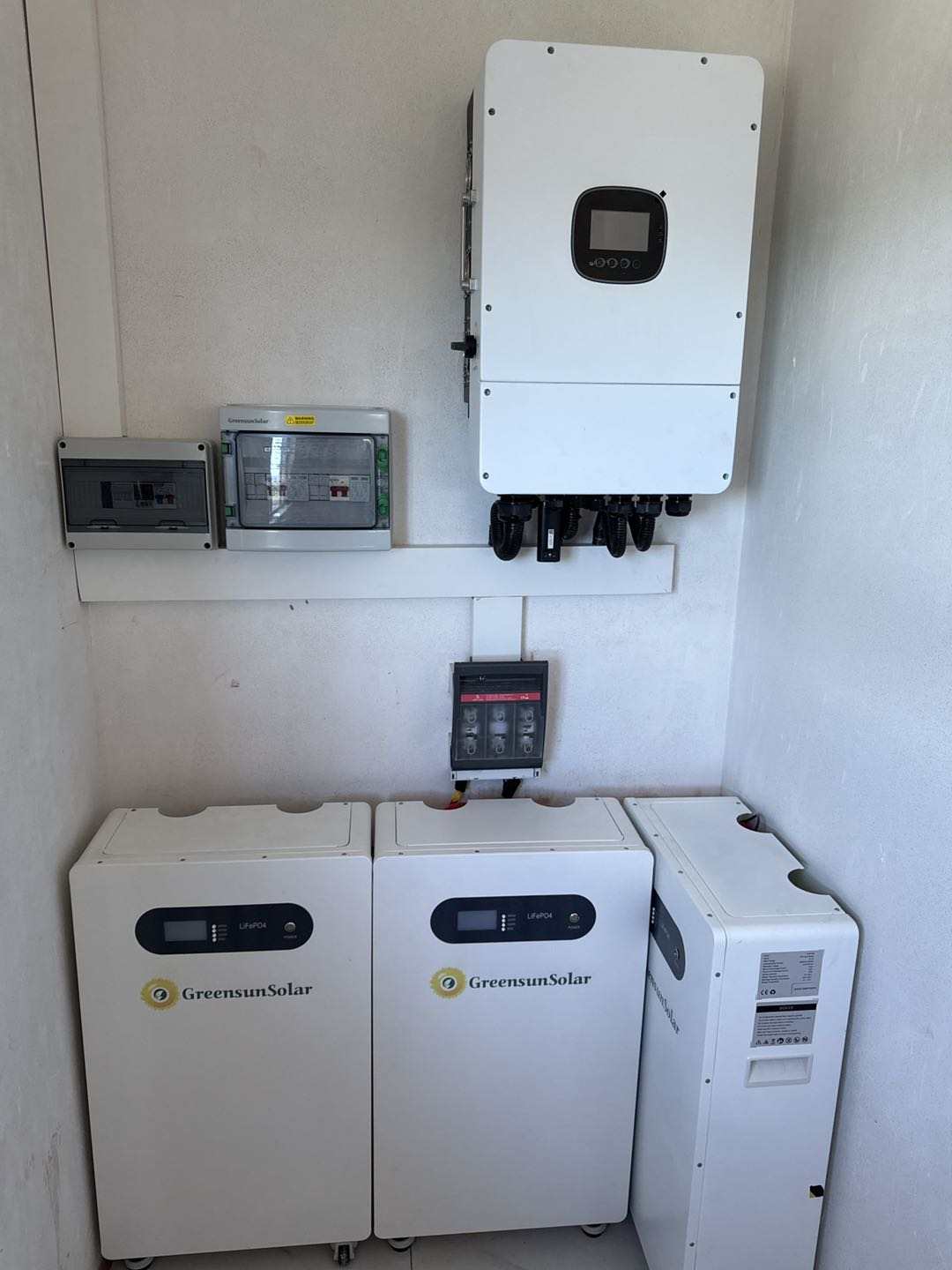
 Face à la hausse des prix mondiaux de l'énergie et à l'essor des modes de vie écologiques, les systèmes de stockage d'énergie solaire domestiques se généralisent. Cependant, avec des options allant de quelques centaines de dollars à plus de 20 000 $, beaucoup se sentent perdus. Ce guide simplifié vous aide à choisir le système le mieux adapté à vos besoins grâce à des exemples faciles à comprendre.
Étape 1 : Clarifiez vos besoins
Votre choix dépend de votre objectif. Voici 4 scénarios courants :
Réduisez vos factures : adaptez votre système de stockage à vos panneaux solaires. Une famille californienne équipée de 10 panneaux solaires (4 kW) utilise un système de stockage de 10 kWh pour réduire ses factures d’électricité de 70 %.
- Arbitrage heures pleines/heures creuses : profitez des différences de prix pour faire des économies. Un foyer allemand équipé d’un système de 15 kWh économise plus de 1 000 € par an en rechargeant son électricité la nuit (0,20 €/kWh) et en la déchargeant le jour (0,40 €/kWh).
- Alimentation de secours : Une famille texane utilise un système de 8 kWh pour alimenter son réfrigérateur, ses lumières et Internet pendant les coupures de courant de 24 heures.
- Pas d'injection sur le réseau : Une famille de Sydney équipée de panneaux solaires de 6 kW a installé un système de 12 kWh, réduisant ainsi ses factures mensuelles de 200 AU$ à 30 AU$.
Étape 2 : Composantes clés (sans jargon)
- Panneaux solaires : Choisissez des panneaux monocristallins (rendement ≥ 22 %). Une famille néerlandaise utilise 12 panneaux (5 kW) pour couvrir 80 % de ses besoins.
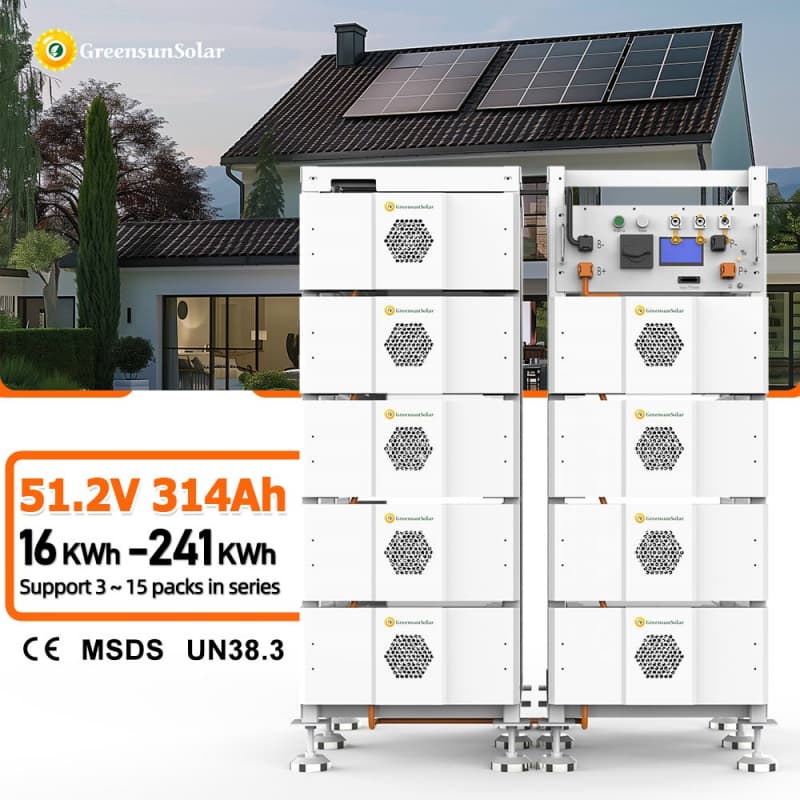
Batterie : Privilégiez les batteries LFP (sûres, durée de vie supérieure à 15 ans). Une batterie LFP utilisée par une famille sud-africaine fonctionne entre -40 °C et 65 °C. Concentrez-vous sur la capacité utile (par exemple, une batterie de 10 kWh offre 9 kWh utilisables).
- Onduleur : Choisissez un onduleur hybride (rendement ≥ 97 %). L’onduleur hybride d’une famille polonaise alimente sa maison, son bowling et sa borne de recharge pour véhicule électrique.
Étape 3 : Calculer le coût et le retour sur investissement
Formule simple : Délai de récupération = Coût total ÷ Économies annuelles.
- Californie : système de 20 kWh (15 000 $) → 1 800 $/an d'économies → retour sur investissement en 8,3 ans.
- Allemagne : système de 10 kWh (7 000 € après subvention) → 1 200 €/an d'économies → retour sur investissement en 5,8 ans.
Conseils finaux
- Climats chauds : Choisissez des batteries à refroidissement naturel.
- Climats froids : Choisissez des batteries de démarrage à basse température (fonctionnent en dessous de -20 °C).
- Petites maisons : Utilisez des systèmes compacts.
Choisissez un système adapté à vos besoins, à votre budget et à votre logement : c'est gagnant-gagnant pour vous et pour la planète.
 français
 English
 español
 العربية



 Réseau IPv6 pris en charge